Sri Vinayak Nursing Home


High-Risk Obstetric Care
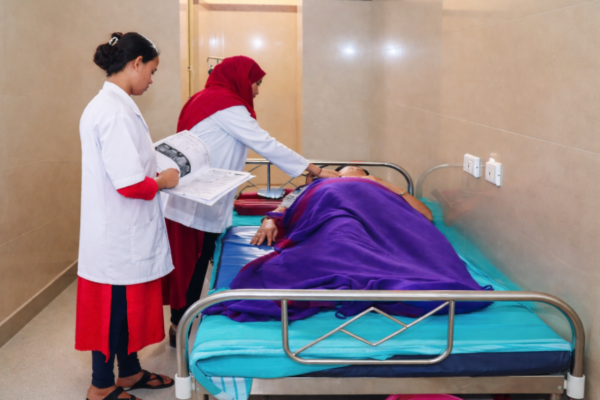
High-Risk Obstetric care focuses on the specialized monitoring and management of pregnancies that have a higher chance of complications for the mother or baby. These pregnancies require closer observation, advanced diagnostic support, and experienced medical supervision to ensure safe outcomes.
With the support of advanced pregnancy monitoring scans and regular obstetric evaluations, doctors can closely track fetal growth, blood circulation, and maternal health. Early identification and proper care significantly reduce risks and improve both maternal and baby health.
What Is a High-Risk Pregnancy?
A pregnancy is considered high-risk when the mother, baby, or both have an increased chance of developing health complications before, during, or after delivery. This does not mean the pregnancy will have problems, but it does require extra care and medical attention.
High-risk obstetric care combines regular clinical checkups, laboratory testing, and advanced pregnancy imaging to monitor placental function, fetal circulation, and overall maternal well-being.
Common Conditions That Make a Pregnancy High-Risk
Several medical and pregnancy-related factors can lead to a high-risk pregnancy, including:
High blood pressure during pregnancy
Gestational diabetes
Previous pregnancy complications
Thyroid disorders
Multiple pregnancies (twins or more)
Poor fetal growth
Advanced maternal age
History of miscarriage or stillbirth
In such cases, detailed fetal blood flow assessment helps doctors evaluate placental health and baby development more accurately.
How High-Risk Obstetric Care Supports Safe Delivery
High-risk obstetric management includes delivery planning based on the mother’s and baby’s condition. Doctors decide the safest time and method of delivery using clinical findings and scan results.
Continuous pregnancy monitoring helps reduce complications during labor and supports better newborn outcomes.
Emotional Support and Counseling in High-Risk Pregnancy
High-risk pregnancies can be emotionally stressful. Proper counseling and reassurance are an essential part of obstetric care. Clear communication, regular updates, and compassionate support help reduce anxiety and build patient confidence.
Frequently
Asked Questions
It means the pregnancy needs extra monitoring due to medical or pregnancy-related conditions.
No. With proper care and monitoring, most high-risk pregnancies result in healthy deliveries.
They help assess fetal circulation, placental function, and baby growth more accurately.
Scan frequency depends on the condition. Some pregnancies may require more frequent monitoring.
Yes, some conditions improve with treatment and close observation.
Yes, they are safe and non-invasive when performed under medical guidance.