

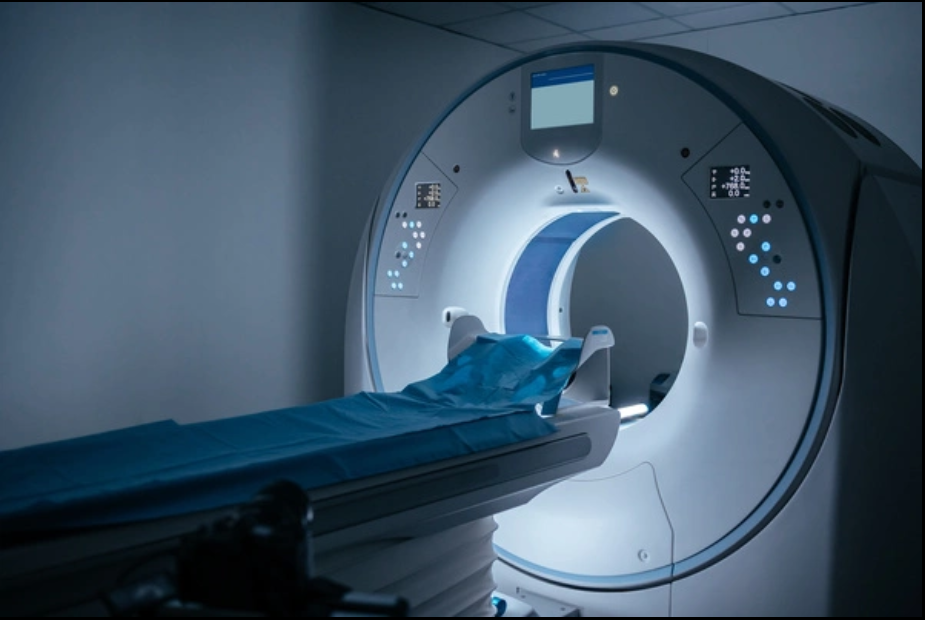
Radiology services are the backbone of modern medical diagnosis. Almost every major treatment decision today depends on accurate imaging. From detecting diseases at an early stage to monitoring treatment progress, radiology plays a critical role in patient care.
With advancements in imaging technology, radiology services have become safer, faster, and more precise. These services help doctors see inside the body without surgery, reducing risk and improving outcomes for patients.
What Are Radiology Services?
Radiology services involve medical imaging techniques that help visualize internal organs, tissues, bones, and blood flow. These images allow doctors to diagnose conditions accurately and plan effective treatments.
Radiology is commonly used in:
- Pregnancy monitoring
- Abdominal and pelvic evaluations
- Bone and joint assessment
- Detection of infections, tumors, or injuries
- Blood circulation analysis
Importance of Radiology in Modern Healthcare
Early diagnosis can save lives. Radiology services help identify health problems before symptoms become severe. This allows doctors to begin treatment at the right time, preventing complications.
Key benefits include:
- Early disease detection
- Accurate diagnosis
- Reduced need for invasive procedures
- Faster treatment planning
- Better patient outcomes
Types of Radiology Services Available
Ultrasound Imaging
Ultrasound imaging uses high-frequency sound waves to create real-time images of internal organs. It is completely safe, painless, and does not use radiation.
Ultrasound is widely used for examining:
- Abdomen
- Pelvis
- Pregnancy
- Soft tissues
Pregnancy Ultrasound & Fetal Imaging
A pregnancy ultrasound is essential for monitoring fetal development and maternal health. Regular scans help detect abnormalities early and ensure a healthy pregnancy journey.
Expectant mothers often visit a trusted pregnancy scan centre for routine and advanced pregnancy imaging.
3D / 4D Ultrasound Scans
Advanced imaging like 3D/4D ultrasound provides detailed images of the fetus, offering better visualization of facial features and movements. A 3D ultrasound scan is especially helpful in detecting structural abnormalities.
Pelvic Ultrasound
A pelvic ultrasound helps evaluate reproductive organs such as the uterus and ovaries. It is commonly used to diagnose conditions like fibroids, cysts, and pelvic pain.
Abdominal Ultrasound
An abdomen ultrasound examines organs such as the liver, kidneys, pancreas, gallbladder, and spleen. It helps detect stones, infections, tumors, and organ enlargement.
Color Doppler & Blood Flow Studies
A colour doppler ultrasound is used to study blood flow in arteries and veins. It helps identify blockages, clots, and circulation issues. Doctors often recommend a doppler test during pregnancy or for vascular assessment.
Digital X-Ray Imaging
A digital Xray scan center provides quick and accurate imaging for bones, chest, spine, and joints. Digital technology ensures lower radiation exposure and faster reporting.
Patients often search for reliable X-Ray centres in Gangavati for fracture diagnosis, lung evaluation, and trauma care.
How Radiology Services Improve Patient Care
Radiology services support nearly every medical specialty. Accurate imaging allows doctors to:
- Confirm diagnoses
- Plan surgeries or procedures
- Monitor treatment response
- Reduce unnecessary interventions
Radiology also improves emergency care by enabling rapid decision-making.
Safety Standards Followed in Radiology Services
Modern radiology follows strict safety protocols:
- Minimal radiation exposure
- Advanced digital equipment
- Trained technicians and radiologists
- Regular equipment calibration
Ultrasound and Doppler scans are completely radiation-free and safe for all age groups.
Radiology in Women’s Health
Radiology plays a major role in women’s healthcare, especially in:
- Pregnancy monitoring
- Gynecological evaluations
- Fertility assessment
- Breast imaging
Timely scans help ensure early detection and better treatment outcomes.
Radiology for Children and Elderly Patients
Special care is taken while performing radiology tests on children and elderly patients. Non-invasive and low-risk imaging techniques are preferred to ensure patient comfort and safety.
Preparing for Radiology Services and Imaging Tests
Preparation depends on the type of scan:
- Fasting may be required for abdominal scans
- Full bladder may be needed for pelvic ultrasound
- Removing metal objects before X-rays
Clear instructions are provided before each procedure to ensure accurate results.
Common Conditions Diagnosed Using Radiology
Radiology helps diagnose:
- Gallstones and kidney stones
- Liver and kidney disorders
- Bone fractures and arthritis
- Pregnancy complications
- Tumors and cysts
- Blood vessel blockages
Role of Expert Radiologists
Skilled radiologists interpret imaging results accurately and provide detailed reports. Their expertise ensures correct diagnosis and supports effective treatment planning.
Why Choosing the Right Radiology Centre Matters
Choosing a reliable radiology centre ensures:
- Accurate imaging
- Timely reports
- Advanced technology
- Experienced professionals
- Patient safety and comfort
Quality radiology services reduce diagnostic errors and improve overall healthcare outcomes.
Preventive Healthcare Through Radiology Services
Radiology is not only for diagnosis but also for prevention. Regular imaging helps detect problems early, reducing long-term health risks and treatment costs.
Future of Radiology Services
With continuous advancements in medical imaging, radiology is becoming more precise and patient-friendly. AI-assisted imaging, high-resolution scans, and faster diagnostics are shaping the future of healthcare.
Conclusion
Radiology services are essential for accurate diagnosis, effective treatment, and preventive healthcare. With advanced imaging technology and expert interpretation, patients receive reliable insights into their health, leading to better medical decisions and improved quality of life.Importance of Radiology Services in Modern Healthcare