

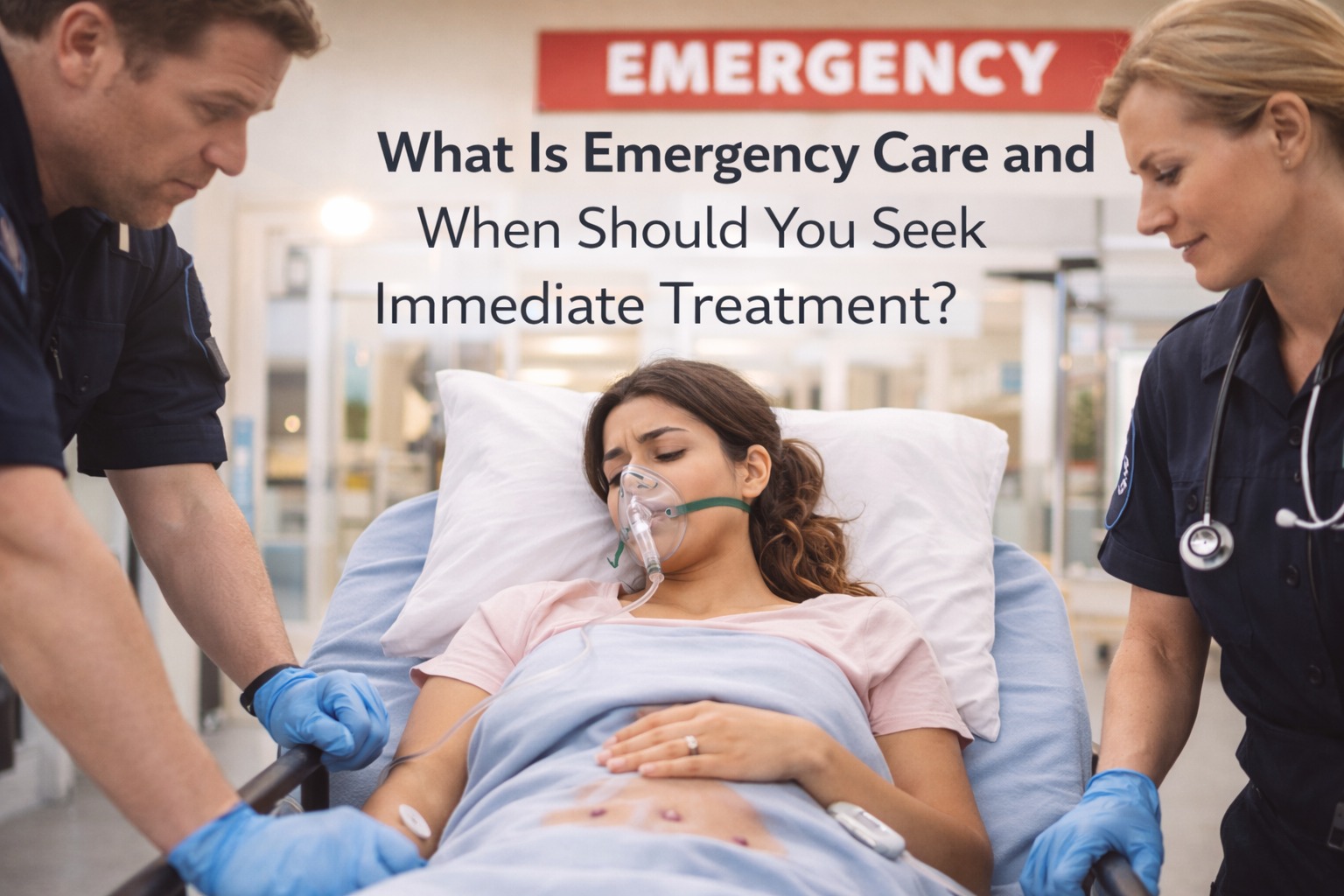
Emergencies can happen at any moment—sometimes without warning. In those crucial moments, knowing whether a symptom is serious or requires urgent hospital attention can save a life. At Sri Vinayak Nursing Home in Gangavathi, we believe that timely awareness is just as important as timely treatment. This guide is written to help you understand when you or your loved ones should rush to the hospital for emergency care (focus keyword used here), what symptoms to never ignore, and how critical care teams respond during life-threatening situations.
Whether it’s sudden chest pain, difficulty breathing, a high fever in a child, or an unexpected injury, knowing the signs early helps prevent complications and ensures better recovery. This blog simplifies everything in a friendly, easy-to-understand way so every family in Gangavathi feels prepared and protected.
1. Understanding Emergency Care & Critical Treatment Services
Emergency care is immediate medical attention provided during life-threatening, risky, or urgent situations. The emergency department at Sri Vinayak Nursing Home is equipped with modern facilities, trained staff, and fast-response systems supported by 24/7 medical emergency support to handle all kinds of emergencies.
Critical care, on the other hand, is provided in intensive care units (ICUs) to stabilize patients with severe injuries, infections, or medical complications. The ICU teams monitor patients continuously, offer oxygen support, advanced medications, and constant supervision.
Both services work together to save precious time and lives.
2. Why Quick Hospital Response Matters
In emergencies, minutes can make a life-changing difference. Quick medical attention helps:
- Prevent complications
- Reduce internal damage
- Increase survival rates
- Provide pain relief
- Start treatment immediately
This is why hospitals rely on rapid emergency response teams, specially trained to act fast and deliver treatment without delay.
At Sri Vinayak Nursing Home, trained professionals respond instantly to critical symptoms, providing timely treatment in a safe and reassuring environment.
3. Top Common Situations That Demand Immediate Emergency Care
Not all discomforts require emergency care. However, the following symptoms should NEVER be ignored. They are early warning signs that something serious is happening inside the body and you should visit the hospital immediately.
Sudden Chest Pain
Chest pain may be a sign of a heart attack, especially when accompanied by breathlessness, sweating, or nausea. The hospital uses cardiac emergency assessment to diagnose and treat patients quickly.
Difficulty Breathing
Breathing trouble can indicate asthma, lung infection, allergic reaction, or heart issues. Immediate oxygen support is crucial, which is part of respiratory critical support services.
Stroke Symptoms
Signs like facial drooping, arm weakness, slurred speech, or disorientation indicate a stroke. Early treatment saves the brain from permanent damage. Hospitals rely on fast diagnosis supported by neurological emergency evaluation.
Severe Injuries or Accidents
Road accidents, falls, fractures, or deep cuts require quick medical attention and stitching support. They may also need trauma stabilization care to prevent blood loss and infections.
High Fever in Children
Children are sensitive to temperature fluctuations. A very high fever may indicate infection or dehydration and requires attention through pediatric emergency treatment.
Uncontrolled Vomiting or Dehydration
This can lead to electrolyte imbalance. Patients often need fluids or injections supported by acute dehydration management.
Unconsciousness or Seizures
Loss of consciousness is a red flag. Seizures can be caused by fever, epilepsy, or infections and need critical neurological monitoring.
Pregnancy-Related Emergencies
Excess bleeding, severe abdominal pain, high blood pressure, or decreased fetal movement require immediate attention. Hospitals use obstetric emergency response to protect both mother and baby.
4. How Emergency Teams Work at Sri Vinayak Nursing Home
When a patient arrives with critical symptoms, the emergency team follows a structured and quick-response plan:
Step 1: Immediate Assessment
A team of trained professionals performs a quick check of vitals such as pulse, oxygen levels, breathing rate, and consciousness.
Step 2: Stabilizing the Patient
The priority is stabilizing the patient with oxygen, fluids, medications, or bandaging. This step is supported by critical life-saving procedures.
Step 3: Diagnostic Tests
Depending on the case, tests such as ECG, ultrasound, blood tests, and X-rays are performed using urgent diagnostic imaging to identify the cause.
Step 4: Shift to ICU (If Required)
Patients needing close monitoring are shifted to the ICU where specialized teams watch every detail through advanced intensive care monitoring.
Step 5: Treatment & Recovery
The medical team works together to support the patient through medication, care, and emotional support.
5. Early Emergency Care: Key Benefits That Can Save Lives
Early treatment helps prevent further complications. Some important benefits include:
- Reduced organ damage
- Faster recovery
- Less pain
- Avoiding long-term health issues
- Better chances of survival
Sri Vinayak Nursing Home ensures quick emergency care action using fast-track emergency admission, which reduces waiting time and allows patients to receive help without any delay.
6. Home Safety Tips to Avoid Emergencies
Though emergencies happen unexpectedly, small precautions at home can prevent many situations and reduce the chances of needing emergency care. Simple safety habits protect your family and make your home a safer place every day:
- Keep floors dry to avoid slips
- Use safety gates for kids
- Store medicines properly
- Monitor elderly family members
- Avoid driving when tired
- Keep emergency numbers handy
- Maintain a first-aid kit
- Ensure healthy lifestyle practices
Even with these precautions, emergencies may still occur, and that’s why knowing when to seek help is crucial.
7. Why Choose Sri Vinayak Nursing Home for Emergency Care & Critical Treatment
Some conditions require an ambulance rather than self-transport:
- Unconscious patient
- Heart attack symptoms
- Severe accident injury
- Stroke signs
- Seizures
- Uncontrolled bleeding
Ambulances provide oxygen and medical support on the way using on-route emergency assistance, helping stabilize the patient before reaching the hospital.
8. Why Choose Sri Vinayak Nursing Home for Emergency & Critical Care?
When emergencies happen, every second counts. Sri Vinayak Nursing Home in Gangavathi is prepared with:
- Skilled emergency doctors
- High-quality ICU facilities
- Quick diagnostic tools
- Friendly medical staff
- Clean and safe environment
- critical care specialist team
- 24/7 emergency service
- Fast patient handling
Their warm, patient-friendly approach ensures that families feel confident, supported, and safe.
Conclusion: Ensuring Timely Help During Critical Moments
Emergencies often arrive unexpectedly, but being informed helps you stay prepared. Knowing the warning signs, acting quickly, and choosing the right hospital make all the difference. Sri Vinayak Nursing Home in Gangavathi offers dedicated emergency care, fast treatment, supportive doctors, and modern equipment—making it a trusted place for your loved ones during urgent situations.
Never hesitate to seek help when something feels wrong. Awareness saves lives, and the right hospital ensures safety, comfort, and faster recovery.